
Publication Options
-
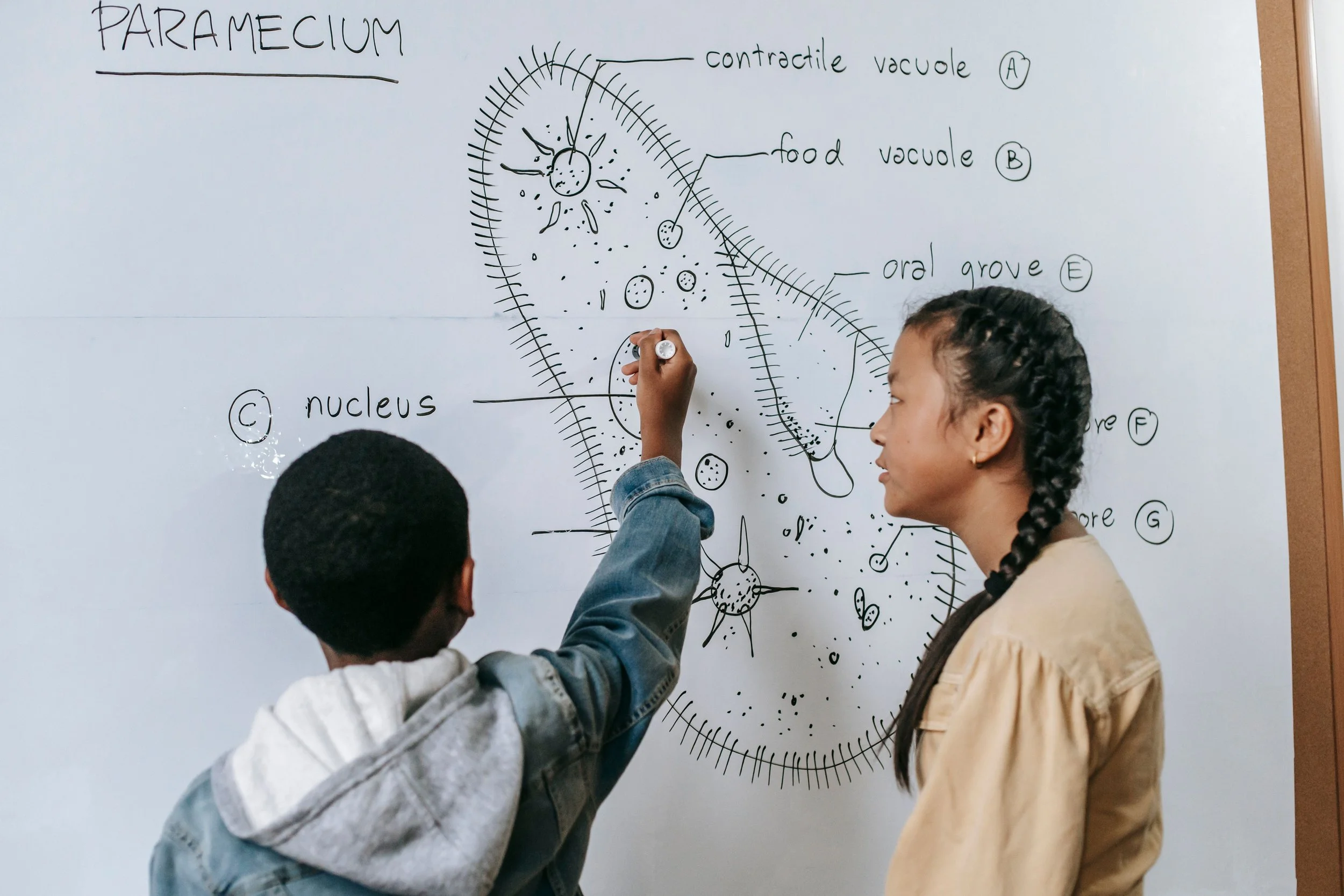
I. Science Communication
Science Communication articles are expected to explain scientific concepts, discoveries, processes, technologies, organisms, or phenomena to a general audience in a clear, engaging, and scientifically accurate manner.
-
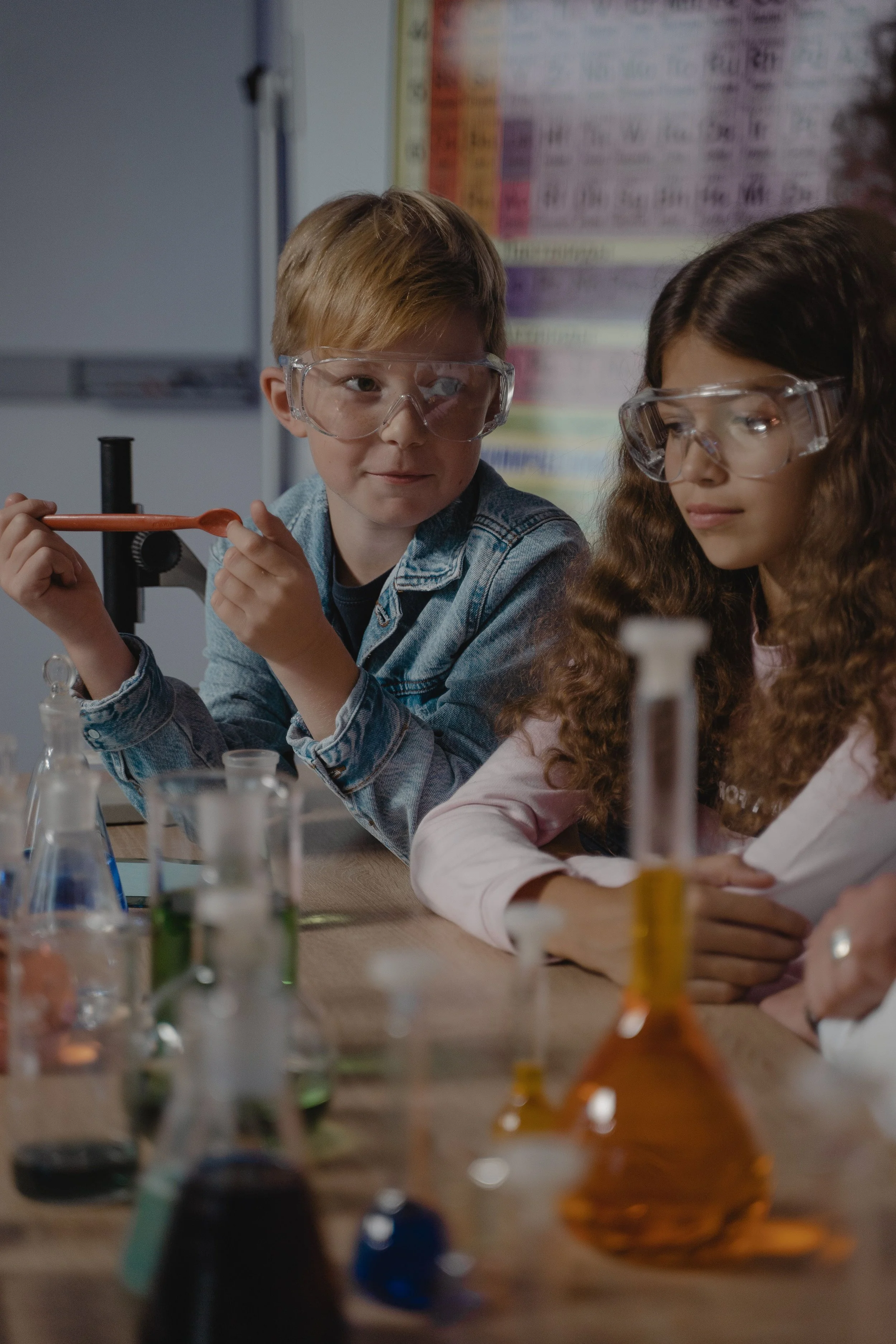
II. Research Articles
Scientific Research articles present original investigations that seek to answer a question using scientific inquiry, observation, experimentation, engineering design, or data collection and analysis of evidence.
-
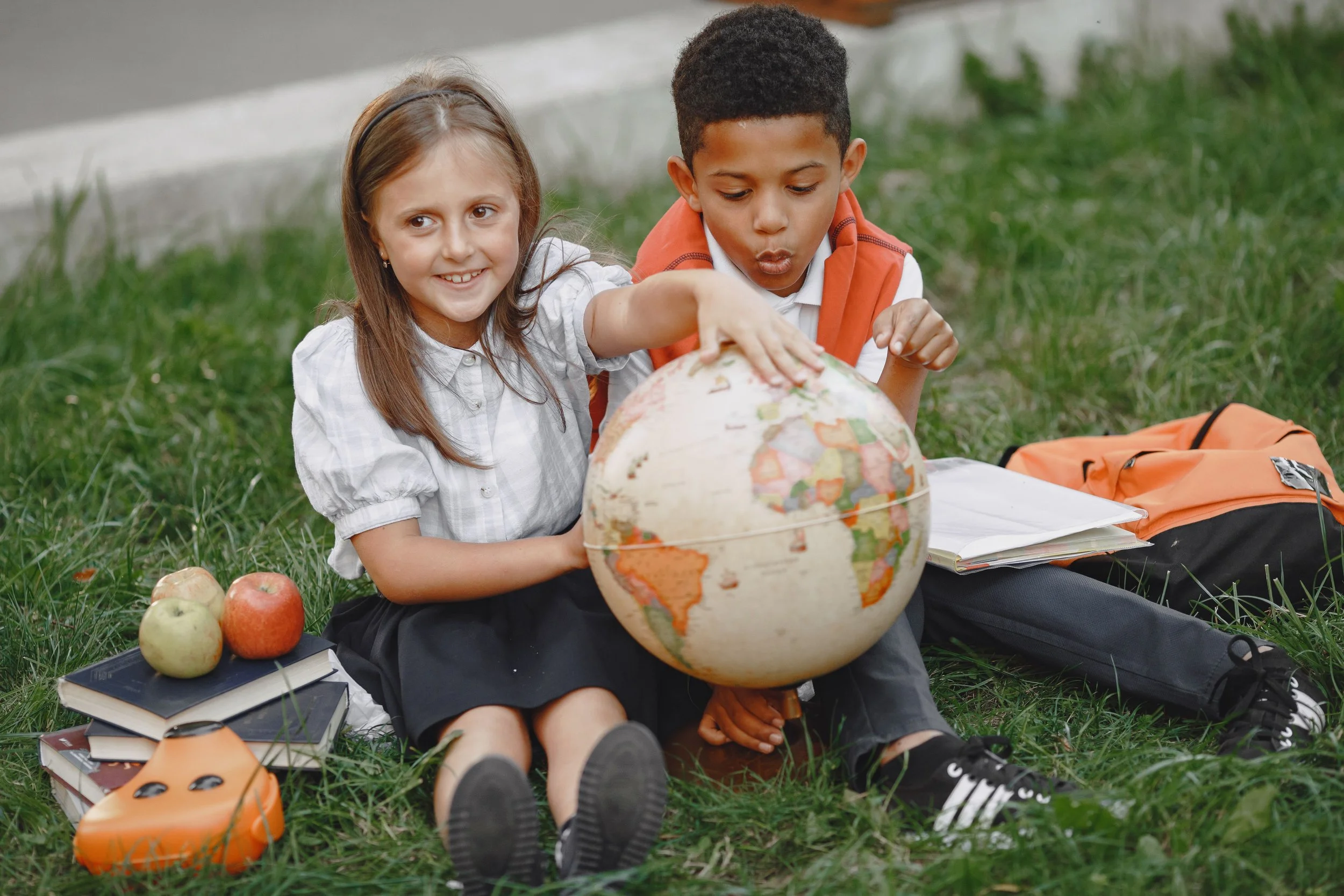
III. Science & Society
Science & Society articles explore how scientific knowledge, discoveries, technologies, and innovations affect individuals, communities, cultures, economies, public health, and the environment.
Eligibility
SUPERNOVA Jr accepts submissions from students enrolled in middle school and junior high school or equivalent educational programs from all over the world, generally between the ages of 11 to 16 years old, or the grades of 6th to 10th for the US System and from 6th of Primaria to 1st of Preparatoria for the Mexican System.
Submissions may be made individually or in collaborative groups of up to 4 students.
Students from public schools, private schools, and international educational institutions from all over the world are welcome to participate.
FAQs
-
SUPERNOVA Jr is committed to providing publication opportunities for students across all participating grade levels. Because scientific knowledge, writing ability, research experience, and academic expectations develop significantly between Grades 6th and 9th, submissions are evaluated within the context of the student's grade level and educational experience.
Students are not expected to demonstrate the same level of scientific sophistication across all grades. Reviewers and editors consider age-appropriate expectations when evaluating submissions.
As a result:
The journal seeks to represent student voices from all grade levels.
Publication decisions are therefore based on the quality of the work relative to the student's educational stage rather than direct comparison with older students.
SUPERNOVA Jr recognizes that scientific growth is a developmental process and values curiosity, effort, and scientific thinking at every level.
The goal of SUPERNOVA Jr, is to showcase high-quality work from young scientists at different stages of their academic journey.
-
Students are expected to submit original work.
All sources must be appropriately cited in APA format.
The use of artificial intelligence tools must be disclosed when applicable, and should only be used for research and brainstorming purposes.
The following are prohibited:
Plagiarism
Fabricated or manipulated data
Misrepresentation of sources
Unauthorized use of copyrighted materials
Violations may result in rejection of the submission.
-
Because contributors are minors, all submissions require parental or guardian authorization (format provided in google forms).
Student´s Names will remain anonymous to the Editorial Committee, until the publication.
Parents and guardians decide the name that will appear in the publications, some examples include but are not limited to:
-Nahieli S. (First name with initial of last name)
-Silva N. (Last name with initial of First name)
-Nahieli Silva Cassani (Full Name)
-SUPERNOVA (Penn name)
Students will require parental or guardian authorization in case they wish to publish their work with a picture of themselves. Some alternatives to pictures include but are not limited to: avatar, a drawing of themselves or a bitmoji.
Direct communication between Editorial Team and Students is prohibited.
All feedback and communications are managed through the Editorial Team and the Teachers that submitted the work.
SUPERNOVA Jr is committed to maintaining a safe, respectful, and educational publication environment.